Ditch the Printed Signs & Add Digital Signage

Dynamic Business Messaging is Professional, Adds Convenience
A printed menu board says the same thing at 10 a.m. and 11 p.m., whether it's true anymore or not. Digital signage doesn't have that problem because it’s capable of showing lunch specials at noon, switching to happy hour pricing at 4 p.m., and later dropping a dish from the menu after it sells out, without anyone touching a printer. A messaging tool that’s simple to update is a seemingly small advantage that compounds every day it's running.
Learn more about digital signage for businesses below.
MORE FOR BUSINESS: The Hidden Power of Great Sound in Commercial Spaces
What Is Digital Signage, Exactly?
Digital signage is a network of displays and the software that decides what shows on each one and when. That could be a single screen behind a host stand or a coordinated system across an entire building, all managed from a single dashboard that doesn’t require swapping out printed materials room by room.
See the practical difference in action: a menu change or a new promotion previously meant a reprint and a physical swap of a paper sign on a bulletin board, updating a chalkboard, or lugging a sandwich board outside for passersby to see. Now, all it takes is a few clicks from wherever the content manager happens to be.
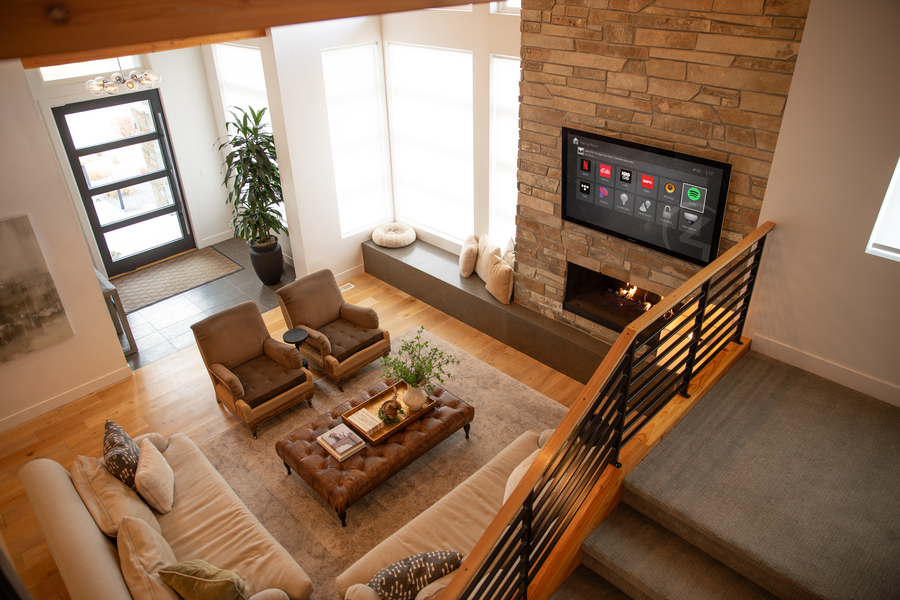
The same infrastructure extends naturally to a business’s distributed video system, where the network that feeds menu boards and promotional displays also routes cable TV and corporate presentations, and other content to screens. One system manages the signage, the entertainment, and other connected displays instead of running them as separate setups.
How Do Local Businesses Use Digital Signage?
1. Restaurants & Bars
A digital menu updates the moment you need a change, without reprinting or handwritten fixes taped over old prices. For a restaurant riding weekend foot traffic or a sports bar packed for a game, the same displays rotate between menu items, daily specials, and promotions as the day moves from lunch rush to happy hour to a slow Tuesday night, without anyone touching a remote.
2. Corporate Offices
Digital signage provides conference rooms and training spaces with a shared display system rather than a patchwork of laptops and projector cables. Along corridors where professional services and healthcare firms fill shared office parks, a building can run the same signage network across every conference and training room, with just one system handling presentation content, scheduling, and building-wide branding instead of each room running its own setup.
We've covered the office side of digital signage in more depth before—visitor directories, meeting room availability, and building-wide alerts—in The Power of Digital Signage: Transforming Businesses and Public Spaces. It’s worth a look if you're specifically weighing signage for a lobby or a multi-tenant building.
3. Retail
For retailers with a presence in a walkable district, digital signage keeps a brand's look consistent across every storefront a shopper passes. Instead of relying on printed materials that need periodic updates due to wear and tear or promotional changes, retailers update seasonal branding or announce a new product launch once and push it to every screen.
How Is This Different From Hanging a TV?
A television mounted on a wall shows one thing until someone walks up and changes it. Digital signage ditches static imagery and is built around change: content is scheduled in advance, updated remotely, and coordinated across every screen in a building rather than a set of individual TVs someone has to manage by hand.
Does Digital Signage Work in Larger Spaces?
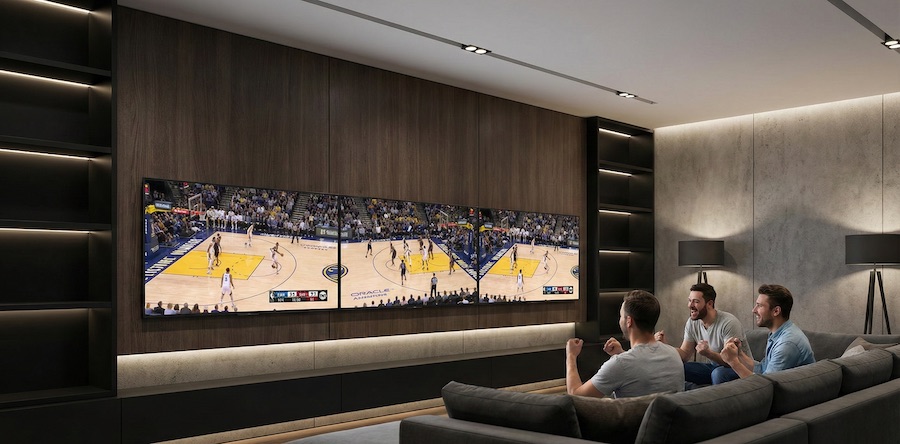
A single screen behind a host stand can cover a lot of ground conveying information, but larger spaces, such as multi-room restaurants, large lobbies, or conference centers, often call for more. A video wall is a large-format, modular solution that combines several displays or LED panels into a single larger surface. The space adds a dynamic focal point that a single screen can't match, while running on the same content management system as the rest of the signage network.
Thinking About Better Signage? We’re Here to Help.
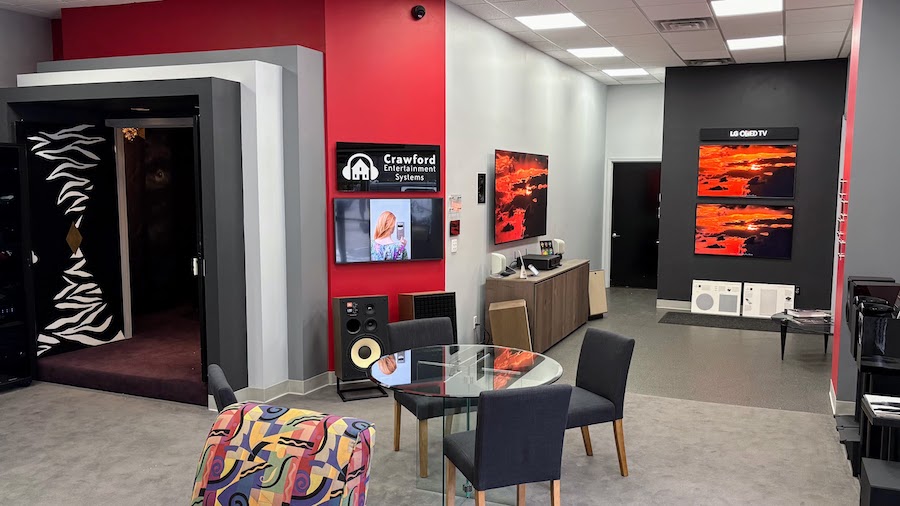
Well-placed digital signs elevate your establishment and set a great first impression. If you're considering upgrading your signage, Crawford Entertainment Systems' commercial AV team can plan a system tailored to your needs.